
HUDSON CLOVERLEAFS | 2025
Hudson Cloverleafs reflects Watershed’s focus on the construction and management side of development—supporting the project through coordination, planning, and the day-to-day processes that move a design from approved concept into built reality. Our involvement emphasized clear communication, consultant alignment, and helping maintain project momentum as the work advanced.
Hudson Cloverleafs was recognized in the 2025 AIA Seattle Honor Awards
for its architectural merit and design excellence.
Project Role
Construction-focused coordination
Project management support
Consultant and stakeholder alignment
Maintaining project process and momentum
Supporting execution as the design moved into implementation
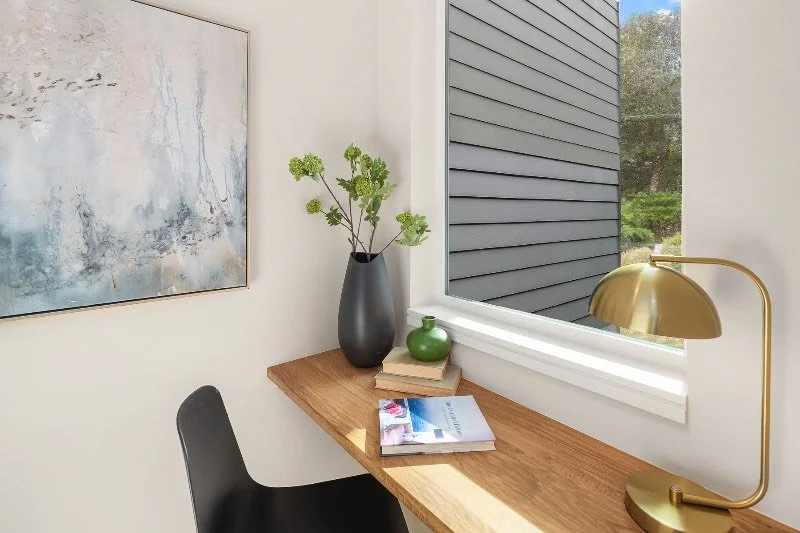
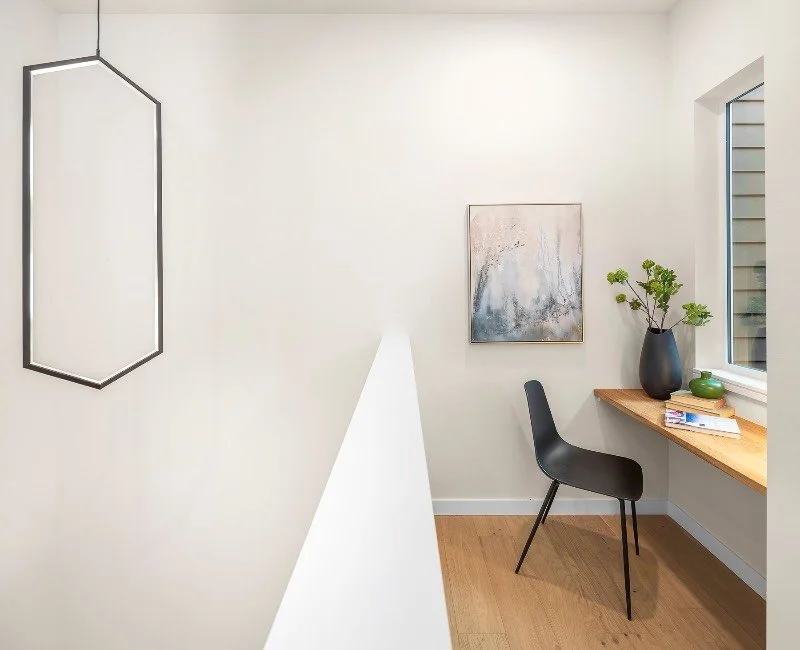
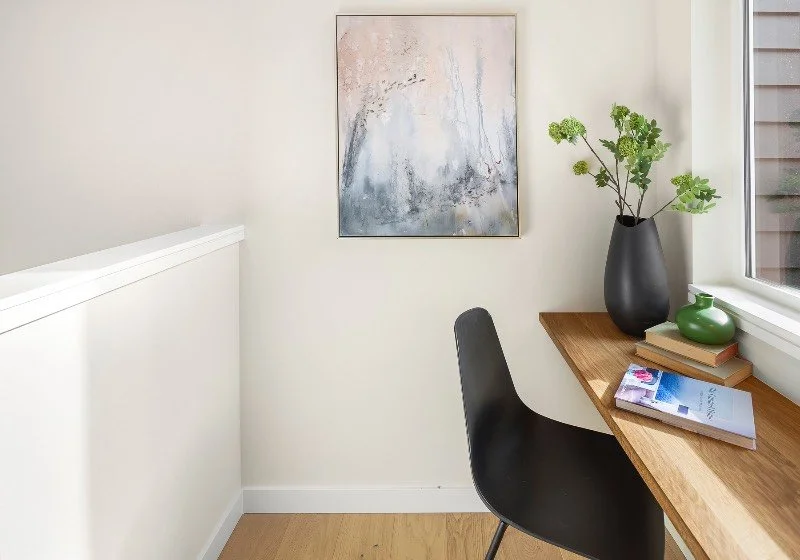
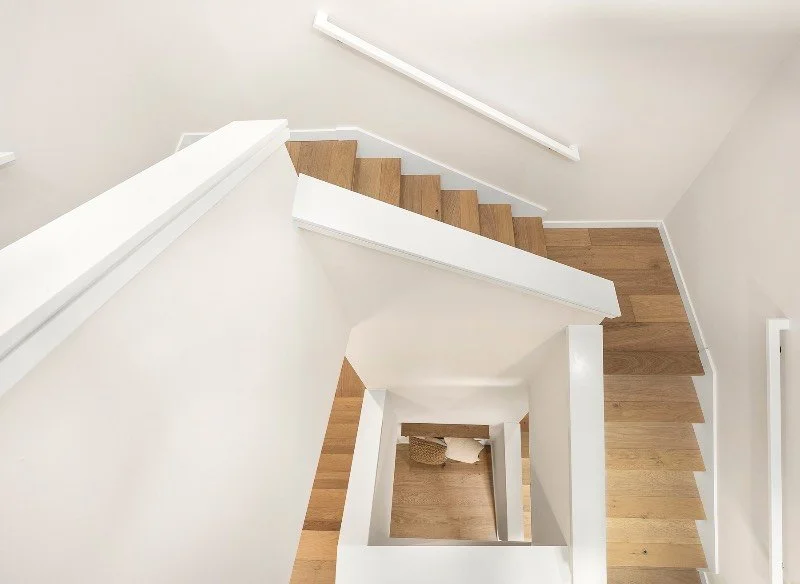
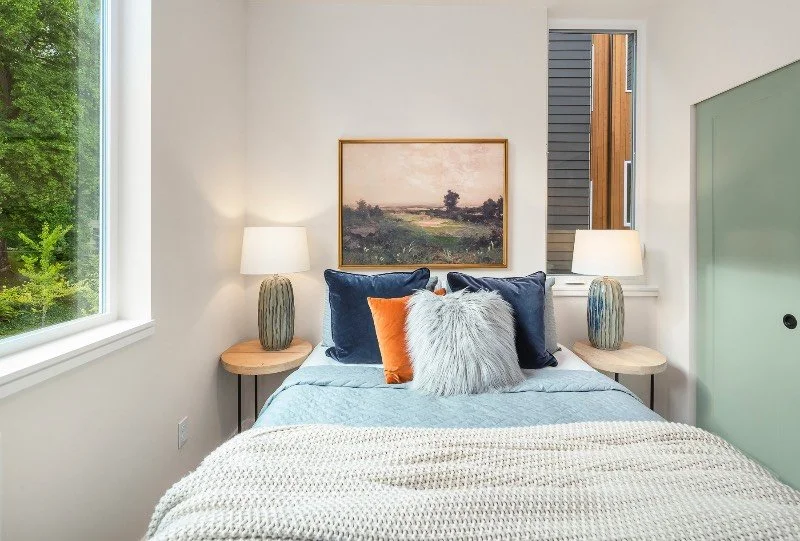
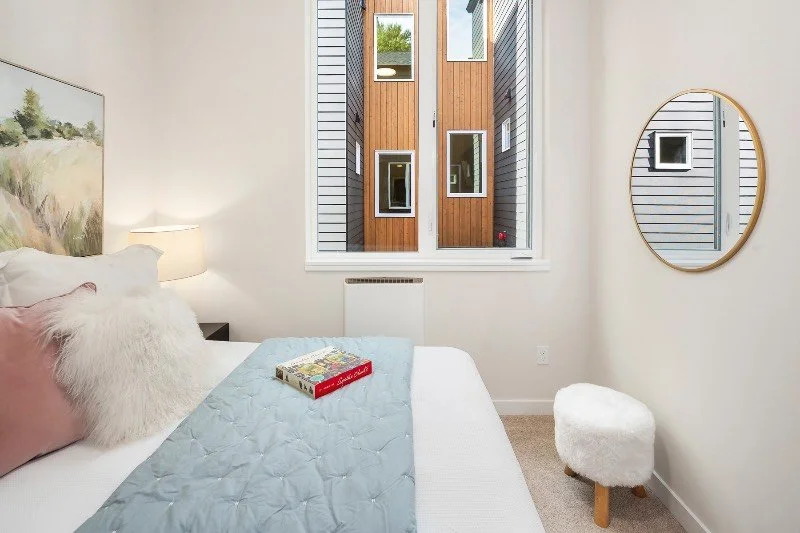
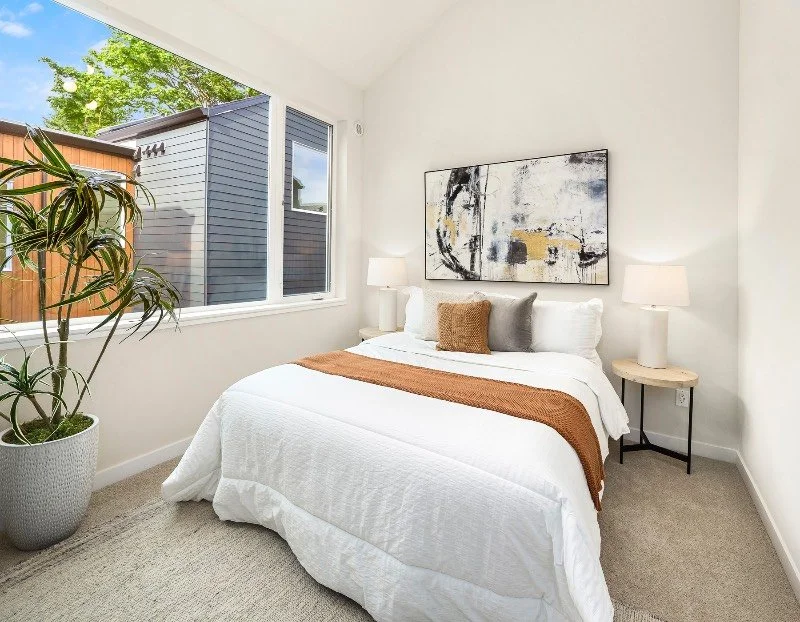
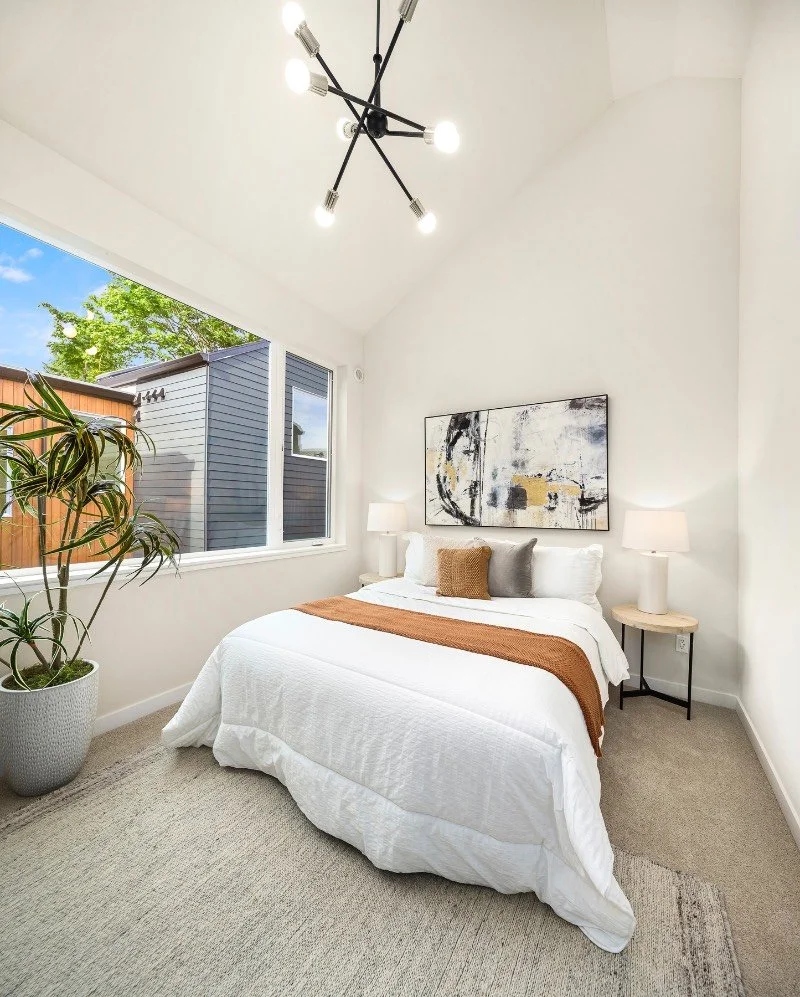
PROJECT STORY
(ANONYMOUS)
Hudson Cloverleafs is the first collaboration between these partners, built on the shared belief that in-fill development can, and must, be designed better. If we succeed, we can make the city a more habitable and affordable place to live. Our Studio was founded as a developer-oriented practice, where architectural thinking and financial pragmatism meet. With a like-minded co-general partner and landowner, the project became a test of how the architect-as-developer model might produce housing that is both market-viable and philosophically grounded.
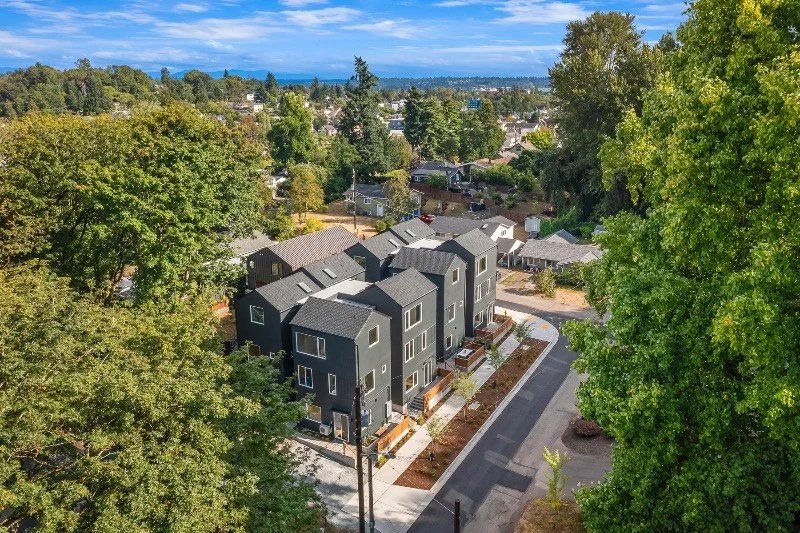
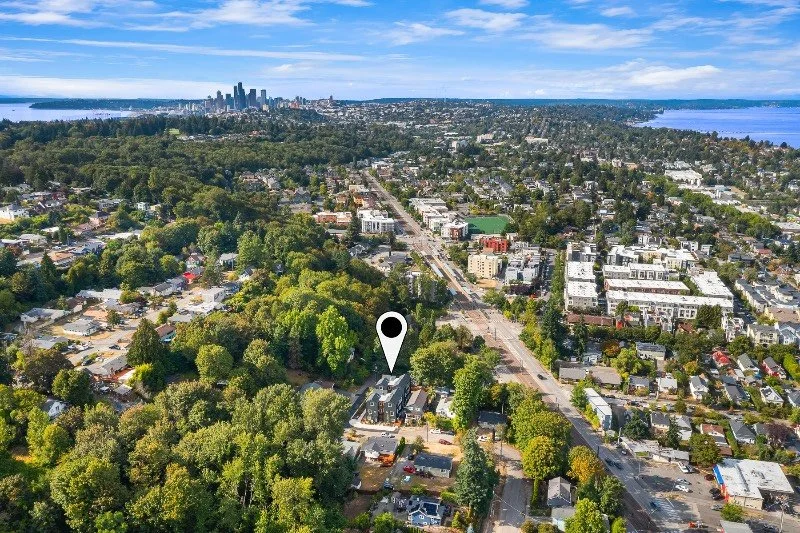
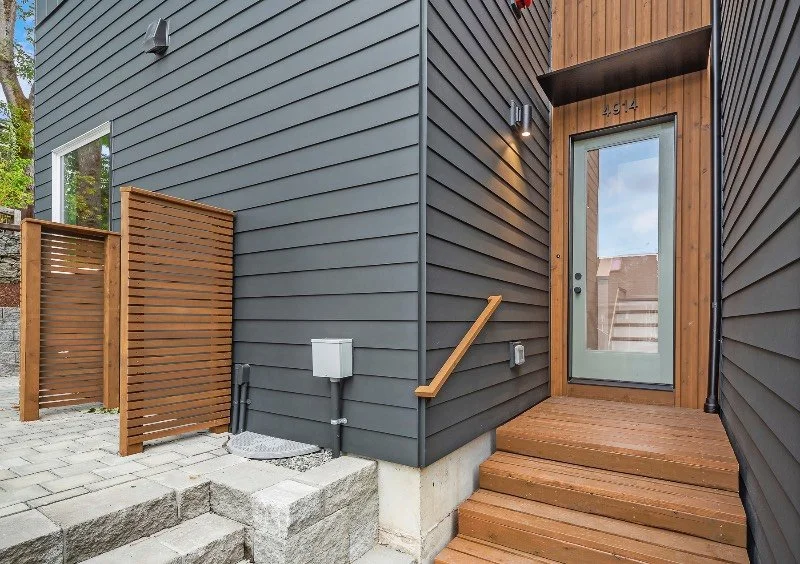
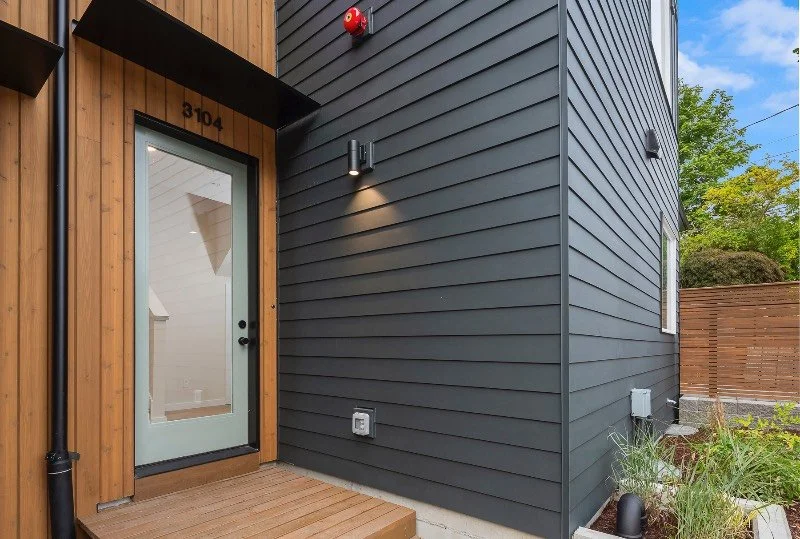
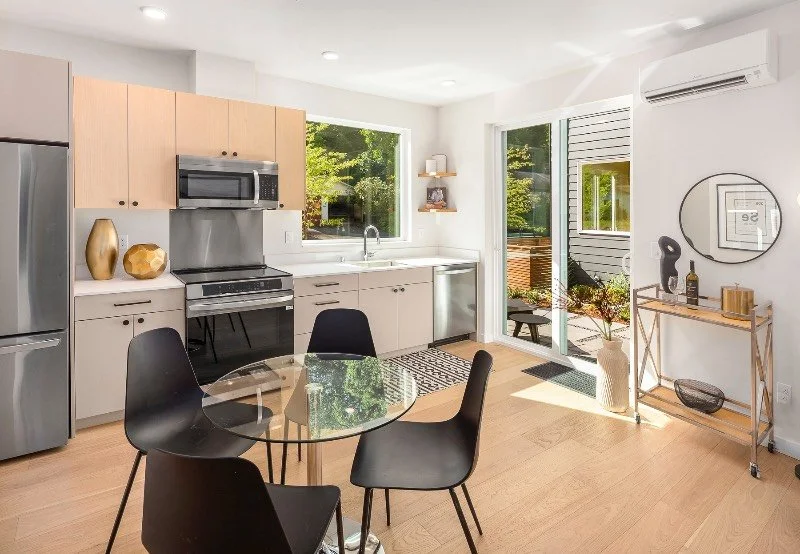
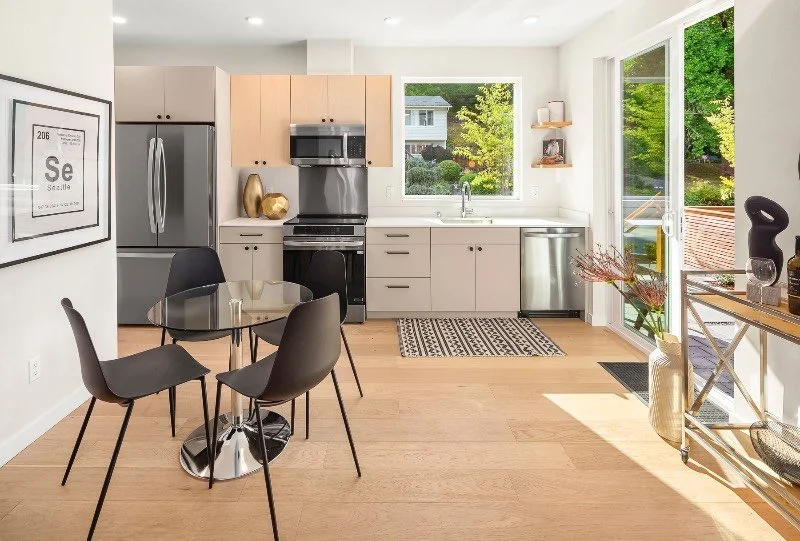
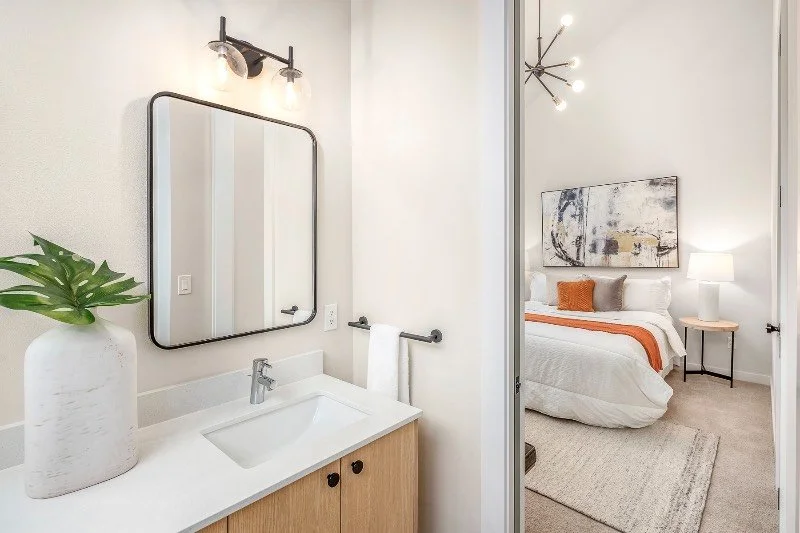
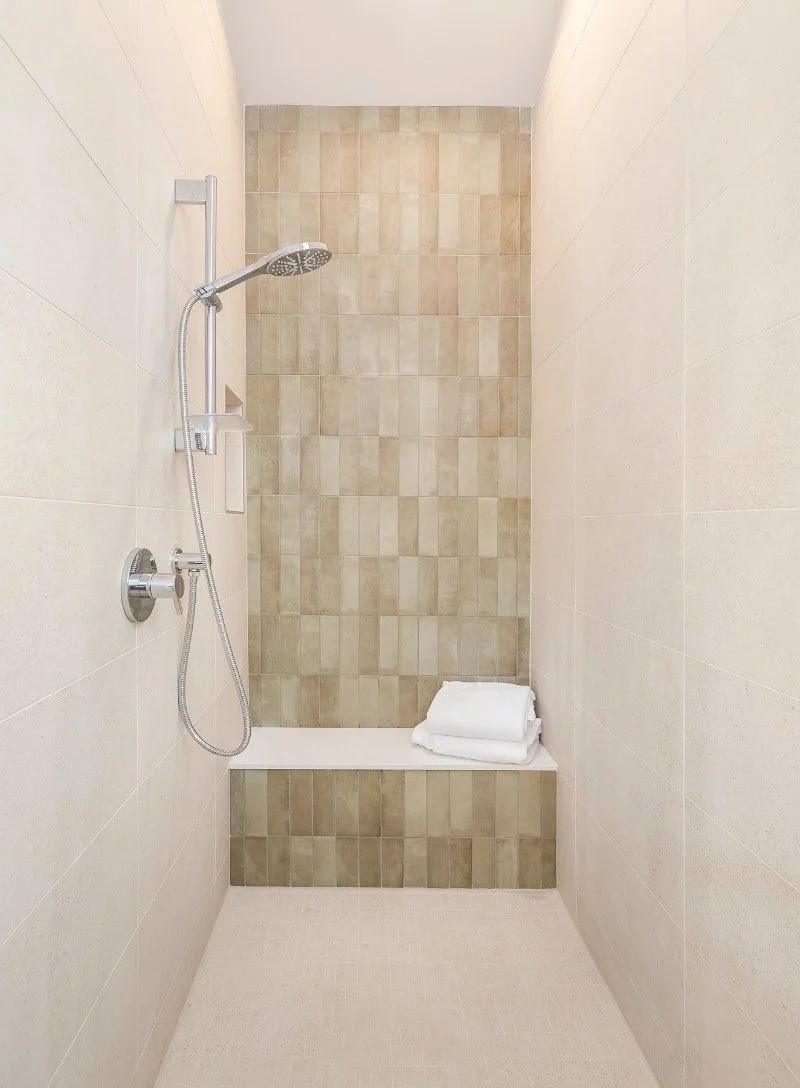
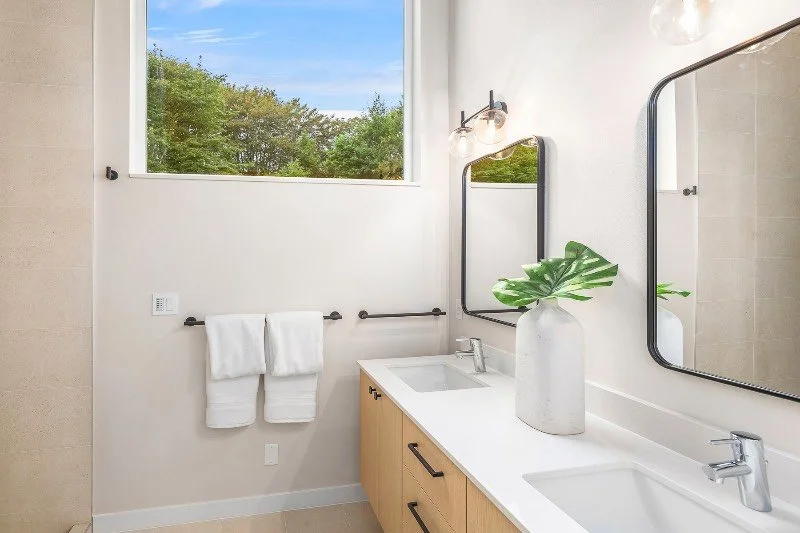
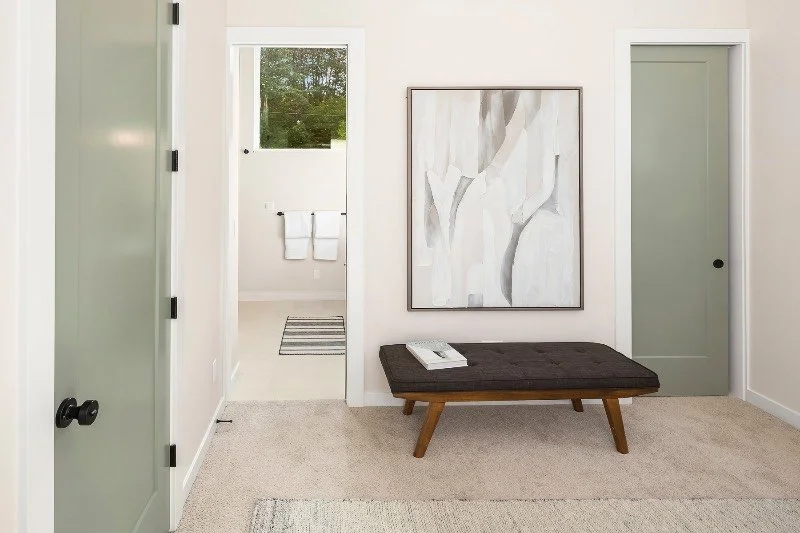
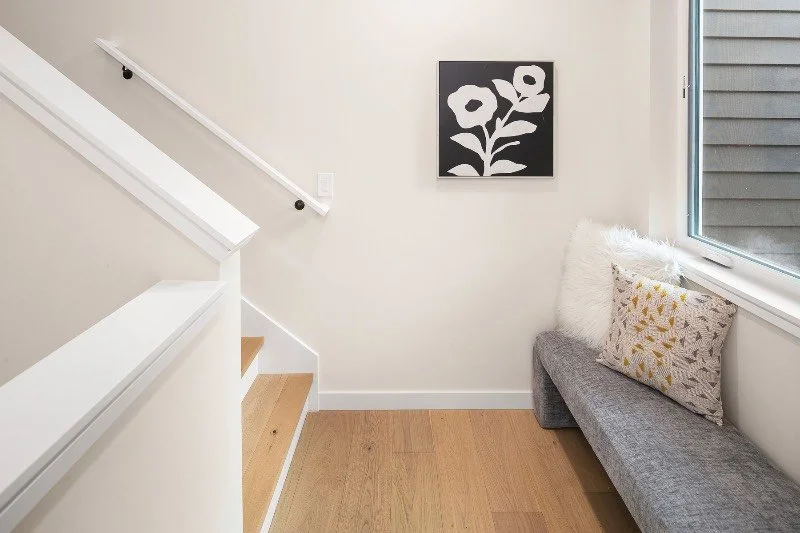
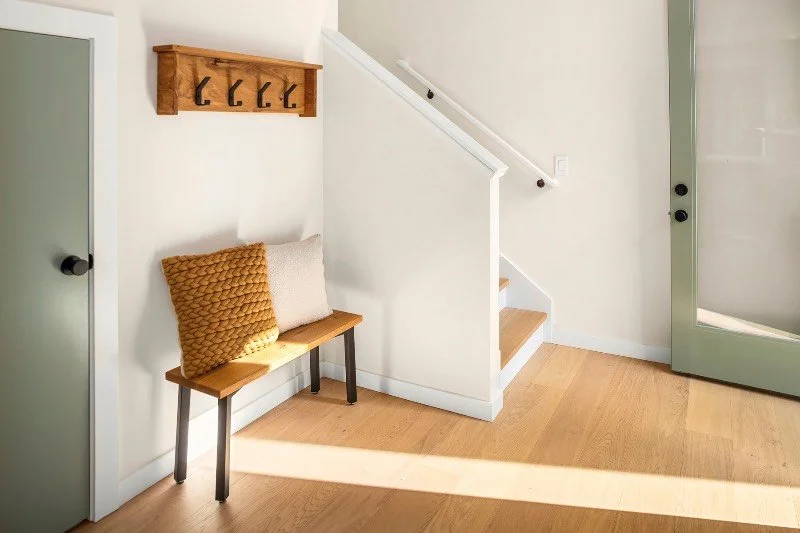
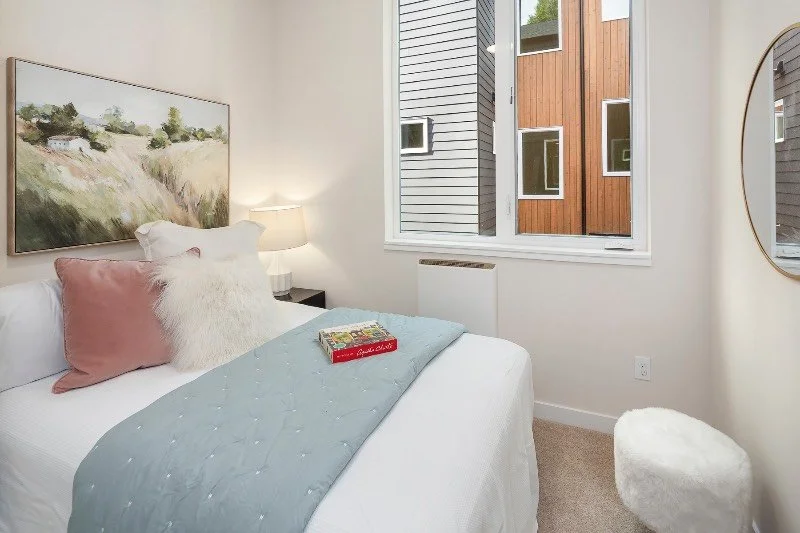
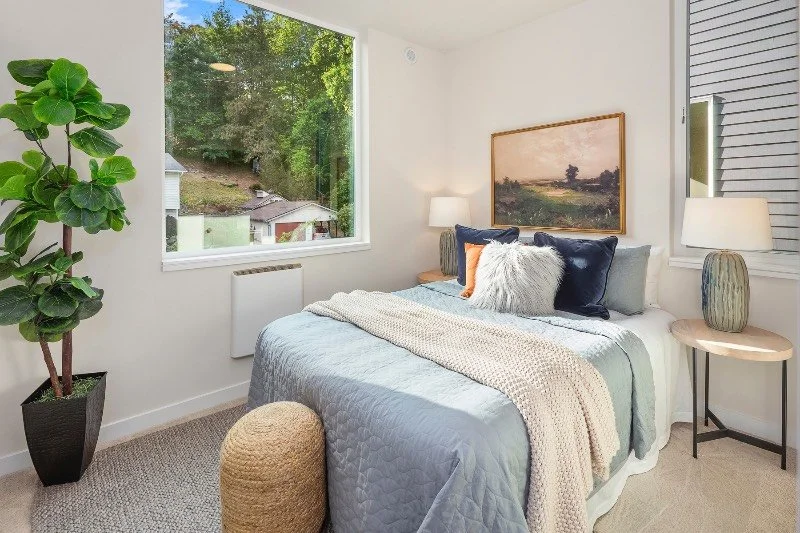
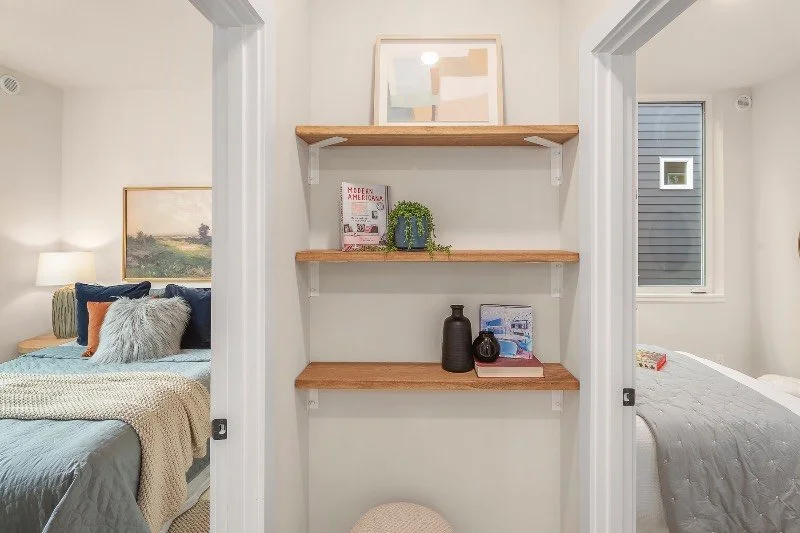
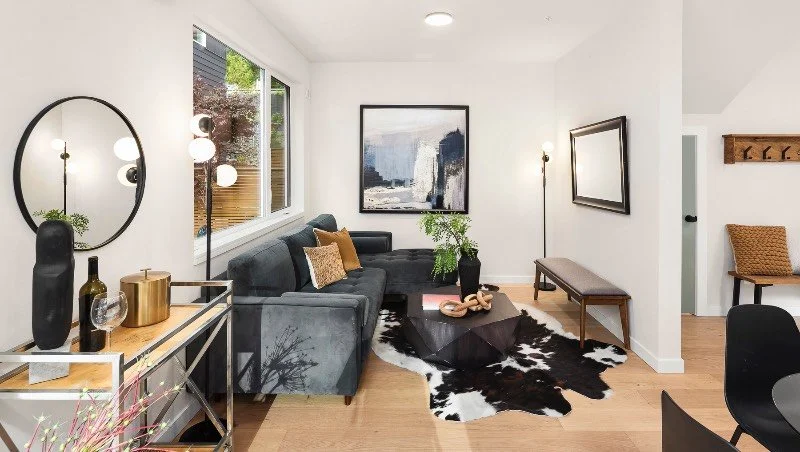
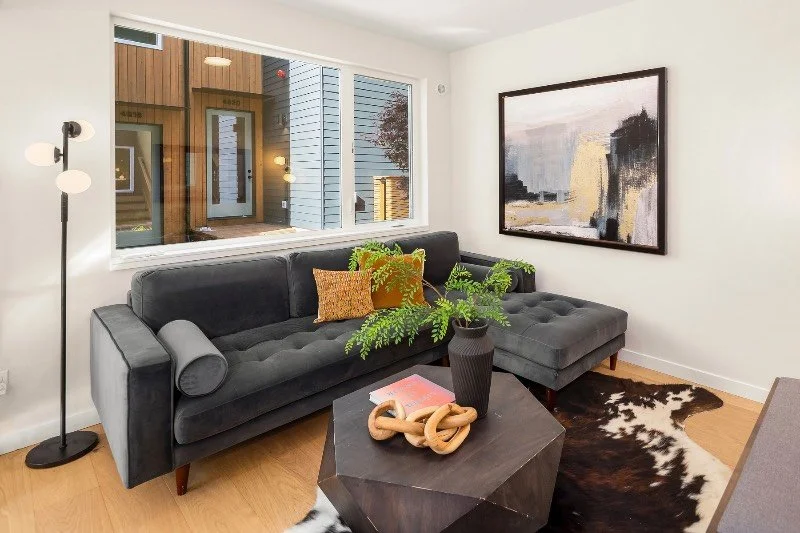
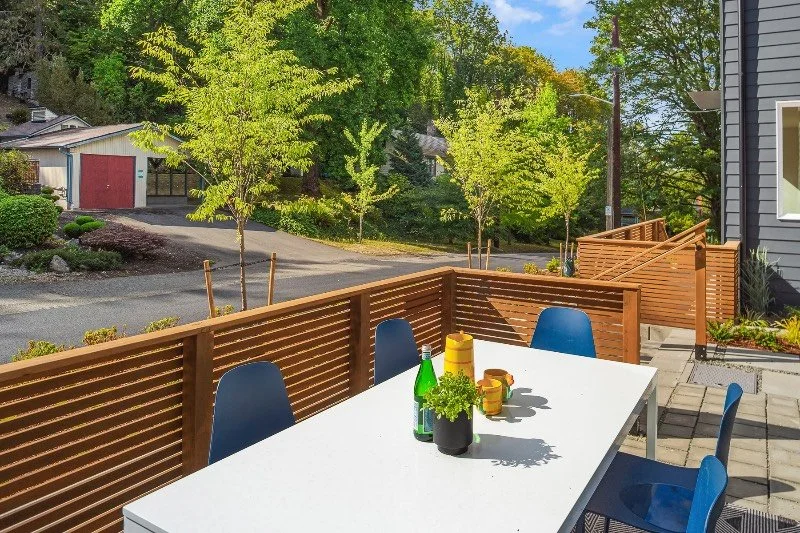
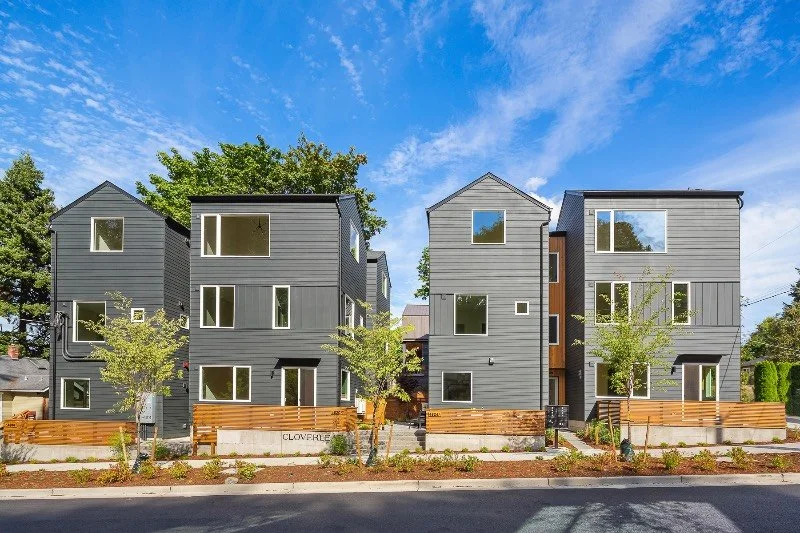
The project is modest in scale: eight 1,300 sf townhouses, one block from Columbia City’s Link Light Rail station, designed without parking. In one sense, Cloverleafs is just a quotidian townhouse project for first time buyers. Yet it carries a larger ambition: to demonstrate how thoughtful design and disciplined efficiency can create higher quality housing while both playing and exposing the regulatory and economic barriers that limit housing production in Seattle.
The design story is about economy. Market-rate townhouses face relentless value engineering. Nice windows? No. Fancy detailing? No. Design review? Forget about it. The challenge became: how can we race to the bottom and still aim high?
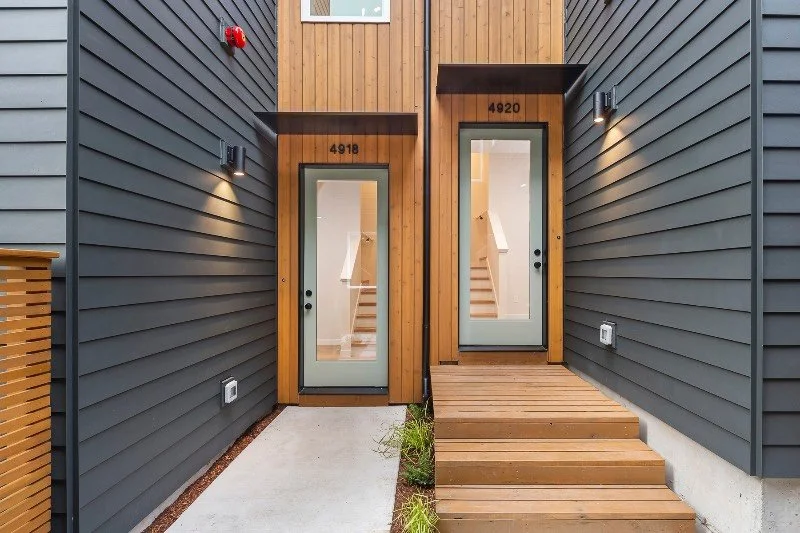
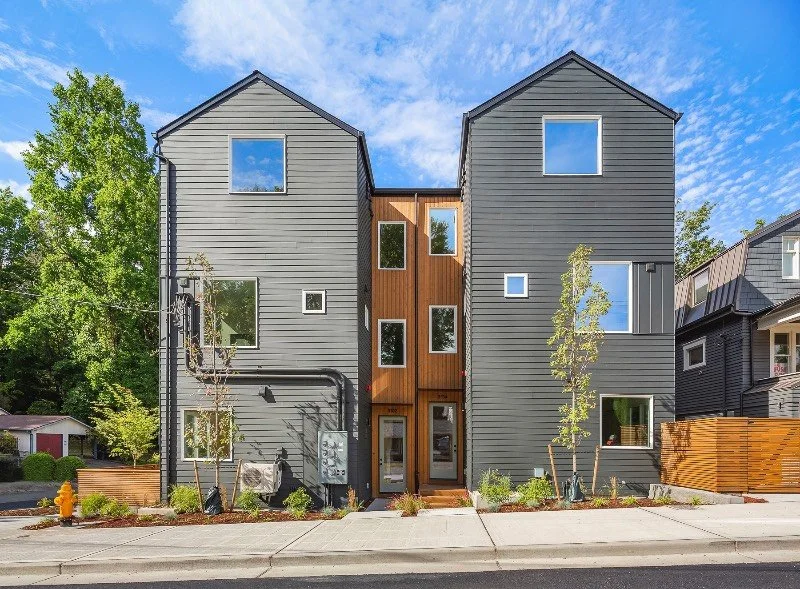
Our answer was to root the project in a clear and resilient parti. A single townhouse unit was designed and then rotated around an axis like a pinwheel, yielding distinct entries and a form that reads as individual houses, a nod to the single-family context and the enduring cultural desire for one’s “own” home. This parti gave the project the strength to endure the pruning and simplification of market delivery while still contributing to a denser, transit-oriented neighborhood fabric.
The project also reveals the regulatory context that makes housing harder and more expensive to build. By using a lot boundary adjustment and permitting the site as two smaller parcels, the project avoided triggering full design review which adds atleast 6 months,10’s of thousands of dollars, and process drag as we seek CofO. This workaround underscores both the ingenuity required of small-scale developers and the need for systemic reform if Seattle hopes to see abundant housing built at scale.
Hudson Cloverleafs is about clarity and efficiency. This project asks how we can exploit conventional low-cost construction practices, such as repeated units and stacked plumbing, and use these as creative constraints to generate coherent and beautiful spaces. By flipping the constraints to advantages, this project aims to generate Architecture in a sector dominated by mere buildings.
In asking jurors to consider this work, we invite a broader dialogue:
How can clarity and efficiency be elevated from constraints into expressions of design excellence?
How might the architect-as-developer model enable more resilient and equitable housing outcomes?
What lessons can small infill projects offer as scalable prototypes for abundant, climate-conscious housing?